Archive
Creators
Discover creators and explore their work.
Archive
Discover creators and explore their work.
53 of 53 entries
Individual Creator
Atsuko Ishida is an animator, character designer and manga artist from Fukuyama, Hiroshima Prefecture. Early animation work includes key animation on Ranma ½ and the original video anime Record of Lodoss War. Ishida then served as character designer and animation director on the television anime The Brave Express Might Gaine and The Brave Police J-Decker, and designed the characters of Magic Knight Rayearth (1994–95), produced by Yomiuri TV and Tokyo Movie Shinsha, also working as an animation director on the series. Character design for the original video anime Shamanic Princess followed. Movic published collections of Ishida's illustrations, beginning with 石田敦子画集 in 1995. As a manga artist, Ishida created アニメがお仕事!, serialized in Young King OURs, and the baseball manga 球場ラヴァーズ, published in book form from 2010.
Creative Collective
CLAMP is a creative group of four members: Satsuki Igarashi, Nanase Ohkawa, Nekoi and Mokona. The group made its commercial debut in 1989 with RG Veda (聖伝-RG VEDA-), published in Shinshokan's magazine South. Its manga have appeared in shōjo, shōnen and seinen magazines and include Tokyo Babylon, X, Magic Knight Rayearth, Cardcaptor Sakura, Chobits, Tsubasa: RESERVoir CHRoNiCLE and xxxHOLiC. In anime, CLAMP created the original character designs for the Code Geass series; handled series composition and scripts for BLOOD-C, a collaboration with Production I.G; and handled series composition, scripts and costume design for the anime of its own Cardcaptor Sakura.
Individual Creator
Go Nagai (永井豪) is a Japanese manga artist, born in 1945 in Wajima, Ishikawa Prefecture. After working as an assistant to 石ノ森章太郎, he debuted in 1967 with 目明しポリ吉 in the magazine ぼくら, and the following year ハレンチ学園, serialized in Shōnen Jump, quickly became a major hit. His best-known works include Devilman, Mazinger Z, Violence Jack and Cutie Honey (1973). Devilman and Cutie Honey became hit TV anime, Mazinger Z opened new ground for robot manga, and later anime adaptations such as Great Mazinger (1974) were also broadcast in Europe. In the 1970s he was serialized in five boys' magazines at the same time. He won the 4th Kodansha Manga Award (1980) for 凄ノ王. In 2005 he became a professor in the character design department (キャラクター造形学科) of Osaka University of Arts.
Individual Creator
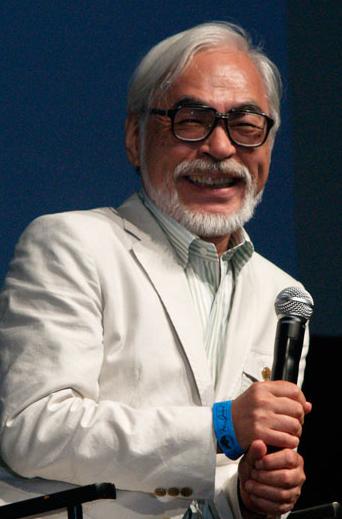
Hayao Miyazaki (宮崎駿) is a Japanese animation film director, born in Tokyo in 1941. After graduating from Gakushuin University in 1963, he joined Toei Doga (now Toei Animation), where he did scene design and key animation for Horus: Prince of the Sun (太陽の王子ホルスの大冒険, 1968). He directed the TV series Future Boy Conan (1978) and made his feature directing debut with The Castle of Cagliostro (1979). In 1984 he released Nausicaä of the Valley of the Wind, based on his own manga, as its original author, screenwriter and director, and in 1985 he took part in founding Studio Ghibli. Spirited Away (2001) won the Academy Award for Best Animated Feature in 2003, and in 2014 he received an Academy Honorary Award. He wrote and directed The Boy and the Heron (2023), which won the Academy Award for Best Animated Feature in 2024.
Individual Creator
Hayato Matsuo is a composer, arranger and orchestrator who writes music for anime, games and film. A graduate in composition from Tokyo University of the Arts, Matsuo began by arranging game music and went on to write background music for anime and television drama. Matsuo composed the music for the television anime Magic Knight Rayearth (1994–95), produced by Yomiuri TV and Tokyo Movie Shinsha. Other anime scores include Saint Tail (怪盗セイント・テール) and The Brave of Gold Goldran (黄金勇者ゴルドラン), both from 1995, the Hellsing original video anime (2006), The World God Only Knows (2010–13), Drifters (2016) and Captain Tsubasa (2018). Game work includes Ogre Battle (1993) and Front Mission 3 (1999).
Individual Creator
Iriya Azuma is an anime producer who joined Toei Animation in 1986. He was a producer (プロデューサー) of Sailor Moon (美少女戦士セーラームーン), the first Sailor Moon television series (1992–93), and of the next series, Sailor Moon R (1993–94); for the third series, Sailor Moon S (1994–95), he is credited with planning (企画). Toei Animation also credits him with producing The Legend of the Gambler – TETSUYA, described as the company's first series aimed at an older audience. Later producer credits include the television series Kamikaze Kaito Jeanne (神風怪盗ジャンヌ, 1999). After serving as Executive Vice President of Toei Animation Inc., Azuma was appointed Director of Toei Animation's Global Licensing Business Department in March 2012, with responsibility for international licensing strategies for the company's major brands.
Individual Creator
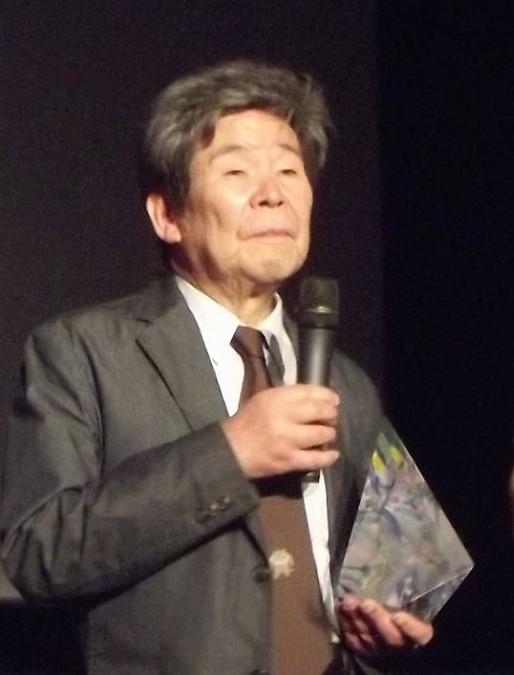
Isao Takahata (高畑勲) was a Japanese animation film director, born on 29 October 1935 in Ise, Mie Prefecture. After graduating in French literature from the University of Tokyo in 1959, he joined Toei Doga, made his directing debut on the TV series Ken, the Wild Boy (狼少年ケン) and directed his first feature, Horus: Prince of the Sun (太陽の王子ホルスの大冒険, 1968). After leaving Toei he directed TV series including Heidi, a Girl of the Alps (1974) and Anne of Green Gables (1979). In 1985 he took part in founding Studio Ghibli, and he went on to release Grave of the Fireflies (1988), Only Yesterday (1991), Pom Poko (1994) and My Neighbors the Yamadas (1999). He produced Nausicaä of the Valley of the Wind (1984). The Tale of the Princess Kaguya (2013) was nominated for the Academy Award for Best Animated Feature. He died of lung cancer on 5 April 2018, aged 82.
Individual Creator
Composer, conductor and pianist whose work includes film music for Hayao Miyazaki.
Individual Creator
Junichi Sato is an anime director, born in 1960. Sato was the series director of Sailor Moon (美少女戦士セーラームーン), the first Sailor Moon television series, broadcast from 1992 to 1993, and also directed individual episodes. Sato stayed on as series director for the next series, Sailor Moon R (1993–94), and is listed among the episode directors of Sailor Moon S (1994–95). Sato was later a series director of Ojamajo Doremi (おジャ魔女どれみ, 1999–2000), a credit shared with a second series director. Other work includes Kaleido Star (カレイドスター, 2003), credited as original concept and director, and ARIA The ANIMATION (2005), credited as director and for series composition.
Individual Creator
Katsuhiro Otomo (大友克洋) is a Japanese manga artist and film director, born on 14 April 1954 in Miyagi Prefecture. He made his manga debut in 1973 with 銃声 in Futabasha's magazine 漫画アクション. His manga Domu (童夢) received the 日本SF大賞 (Nihon SF Taishō) and the comics category of the 星雲賞 (Seiun Shō), and AKIRA received the 講談社漫画賞 (Kōdansha Manga Shō). Designing the characters for Rintaro's animated film Harmagedon (幻魔大戦, 1983) led him into animation. He directed the 1988 animated film of his own AKIRA and later the original animated feature STEAMBOY. On the anthology film MEMORIES (1995) he was executive producer and general director, and he directed the third episode, Cannon Fodder (大砲の街), for which he also wrote the original story and screenplay and created the character concepts and art. In live action he directed World Apartment Horror (1991) and Mushi-Shi (蟲師, 2007), based on Yuki Urushibara's manga. His honours include Japan's Medal with Purple Ribbon (2013), Officier of France's Ordre des Arts et des Lettres (2014) and the Grand Prix of the Festival International de la Bande Dessinée d'Angoulême (2015).
Individual Creator
Kazuko Tadano is an animator, character designer and illustrator. Earlier credits include work as an animation director (作画監督) on the television series Mister Ajikko (ミスター味っ子, 1987). Tadano created the character designs for Sailor Moon (美少女戦士セーラームーン), the first Sailor Moon television series (1992–93), credited with Studio Live (スタジオライブ), and is among the animation directors listed for the episodes on Toei Video's first DVD volume of the series. Tadano remained character designer for the next series, Sailor Moon R (1993–94). Later character-design credits include the television series Wedding Peach (愛天使伝説ウェディングピーチ, 1995) and Petite Princess Yucie (ぷちぷり*ユーシィ, 2002), as well as the films Pretty Guardian Sailor Moon Eternal and Pretty Guardian Sailor Moon Cosmos the Movie. Collections of Tadano's illustrations include a 2004 art book published in English as The Kazuko Tadano Portfolio.
Keiko Maruo is a screenwriter for television anime. Credits from the 1980s include episode scripts for Sasuga no Sarutobi (1983), Ranpō (1984) and Urusei Yatsura, as well as Magical Angel Creamy Mami, Magical Fairy Persia, Maple Town Stories and Bikkuri-Man. Maruo was series composer and a screenwriter for Toei Animation's Kingyo Chūihō! (きんぎょ注意報!), broadcast from 1991 to 1992 over 54 episodes, and also wrote The Brave Fighter Exkizer. On the television anime Magic Knight Rayearth (1994–95), produced by Yomiuri TV and Tokyo Movie Shinsha, Maruo shared series composition with Nanase Ohkawa of CLAMP and wrote episode scripts. Other credits include scripts for the original video anime Fortune Quest and for two episodes of Jigoku Sensei Nube (1996).
Individual Creator
Kunihiko Ikuhara is an anime director and writer, born in 1964. After joining Toei Douga in 1986, Ikuhara was one of the episode directors (演出) of Sailor Moon (美少女戦士セーラームーン), the first Sailor Moon television series (1992–93), and of the next series, Sailor Moon R (1993–94). Ikuhara then served as series director of the third series, Sailor Moon S (1994–95). After leaving Toei in 1996, Ikuhara founded the creator group Be-Papas, and is credited with the original work and direction of the television series Revolutionary Girl Utena (少女革命ウテナ, 1997). Ikuhara later directed and handled series composition for Penguindrum (輪るピングドラム, 2011), Yurikuma Arashi (ユリ熊嵐, 2015) and Sarazanmai (さらざんまい), and has co-written books based on these series.
Individual Creator
Masaaki Osumi (大隅正秋) is a Japanese director, born on 26 November 1934 in Hyogo Prefecture. 大隅正秋 is his real name and earlier credit; he has also been credited as おおすみ正秋, for example as director of the 1993 TV special Lupin the 3rd: Voyage to Danger (ルパン三世 ルパン暗殺指令). In the late 1960s he joined anime production at Tokyo Movie (now TMS Entertainment), where he directed Moomin (ムーミン) and Lupin the 3rd Part I (ルパン三世 PART1, 1971–72); TMS credits him with direction (演出) of episodes 1–3 and 9. He went on to direct the live-action ケンちゃん TV drama series, the anime ラ・セーヌの星 and 子鹿物語, and the 1992 theatrical anime film 走れメロス.
Individual Creator
Monkey Punch (モンキー・パンチ) was the pen name of Japanese manga artist Kazuhiko Katō (加藤一彦, 1937–2019), creator of Lupin III. He was born on 26 May 1937 in Hamanaka, Akkeshi District, Hokkaido, and made his debut with a serial in the rental-book magazine 『零』. In 1967 he began Lupin III in the first issue of Futabasha's Weekly Manga Action. Drawn in an American-comics style, the series became a hit, and it was adapted as a TV anime from 1971 and later as films. His honours included the Inkpot Award at San Diego Comic-Con, a ROMICS gold award in Rome and the AMD Award for distinguished service. In 2005 he completed a master's degree in media science at Tokyo University of Technology. He died of pneumonia on 11 April 2019.
Individual Creator
Nanase Ohkawa is a writer and one of the four members of CLAMP, the creative group behind manga such as Magic Knight Rayearth, Cardcaptor Sakura and xxxHOLiC. Born in 1967 and from Osaka, Ohkawa is credited with the story of many CLAMP manga, among them RG Veda, Tokyo Babylon, X and Chobits, and has written for anime adaptations of the group's work. On the television anime Magic Knight Rayearth (1994–95), produced by Yomiuri TV and Tokyo Movie Shinsha, Ohkawa shared series composition with Keiko Maruo and was one of the screenwriters. Later anime work includes series composition and scripts for Cardcaptor Sakura and Cardcaptor Sakura: Clear Card, and screenplays for Blood-C. From 2004 Ohkawa was credited for a time as Ageha Ohkawa (大川緋芭), including as series composer of the xxxHOLiC television anime; CLAMP's official site now lists the name 大川七瀬.
Naoko Takeuchi (武内直子) is the author of the comic 美少女戦士セーラームーン (Sailor Moon), serialized in Kodansha's magazine なかよし (Nakayoshi). Toei Animation adapted it as a television anime series first broadcast in 1992, with Takeuchi credited for the original work.
Individual Creator
Takanori Arisawa (1951–2005) was a Tokyo-born composer who wrote music for anime, television dramas and commercials. Arisawa composed the music (音楽) for Sailor Moon (美少女戦士セーラームーン), the first Sailor Moon television series (1992–93), and continued as composer for the next two series, Sailor Moon R (1993–94) and Sailor Moon S (1994–95). JASRAC gave its International Award (国際賞) to 「美少女戦士セーラームーンBGM」, crediting Arisawa as composer, in 1998, 2000 and 2001. Arisawa's other anime work includes the music for Bikkuri-Man (ビックリマン) and for several Digimon television series: Digimon Adventure, Digimon Adventure 02 (2000), Digimon Tamers and Digimon Frontier. Arisawa died in Tokyo on November 26, 2005, at the age of 54.
Individual Creator
Toshiki Hirano is an anime director, animator and character designer, born in 1956 and earlier credited as Toshihiro Hirano (平野俊弘). Under that name Hirano was an animation director on The Super Dimension Fortress Macross and its film Do You Remember Love?, character designer and chief animation director on the original video anime Megazone 23, and director of the OVAs Fight! Iczer-One and Dangaioh. Hirano directed the television anime Magic Knight Rayearth (1994–95), produced by Yomiuri TV and Tokyo Movie Shinsha, and drew storyboards for it; TMS's staff list gives the director as 平野俊弘 with the current name 平野俊貴. As Toshiki Hirano, later work includes directing the Vampire Princess Miyu television series, a story credited to Hirano with Narumi Kakinouchi, and directing Angel Heart (2005–06) and Baki (2018) for TMS Entertainment.
Shared Pseudonym
Yatsude Saburō (八手三郎) is not a single person but a shared pen name used by Toei's television producers. It appears as the original creator (原作) on most Super Sentai series, beginning with Battle Fever J in 1979, and on other Toei tokusatsu productions. According to a 2026 column published by Video Research, the name reportedly began as the pen name of Toei producer Hirayama Tōru, who worked on the Kamen Rider series. Futabasha's ふたまん+ notes that it can be read either Yatsude Saburō or Hatte Saburō, and that both readings have been used depending on the work. Toei Video's own release pages credit 原作:八手三郎 on Juspion, Metalder, Jiraiya and Jiban, and on the Changeman and Flashman theatrical films.